

Recipes for twin pregnancy in the second trimester
The second trimester of a twin pregnancy (weeks 14-27) is the window when your body needs more nutrients than ever, and your stomach still has room. It’s the perfect time to build up reserves. In general, recommendations for twin pregnancies call for more calories, protein, iron, and calcium than a single pregnancy. The exact numbers depend on your weight, your clinical situation, and your OB-GYN’s guidance, which is why this guide skips prescriptive figures and focuses on nutrient-dense meals with options to mix things up.
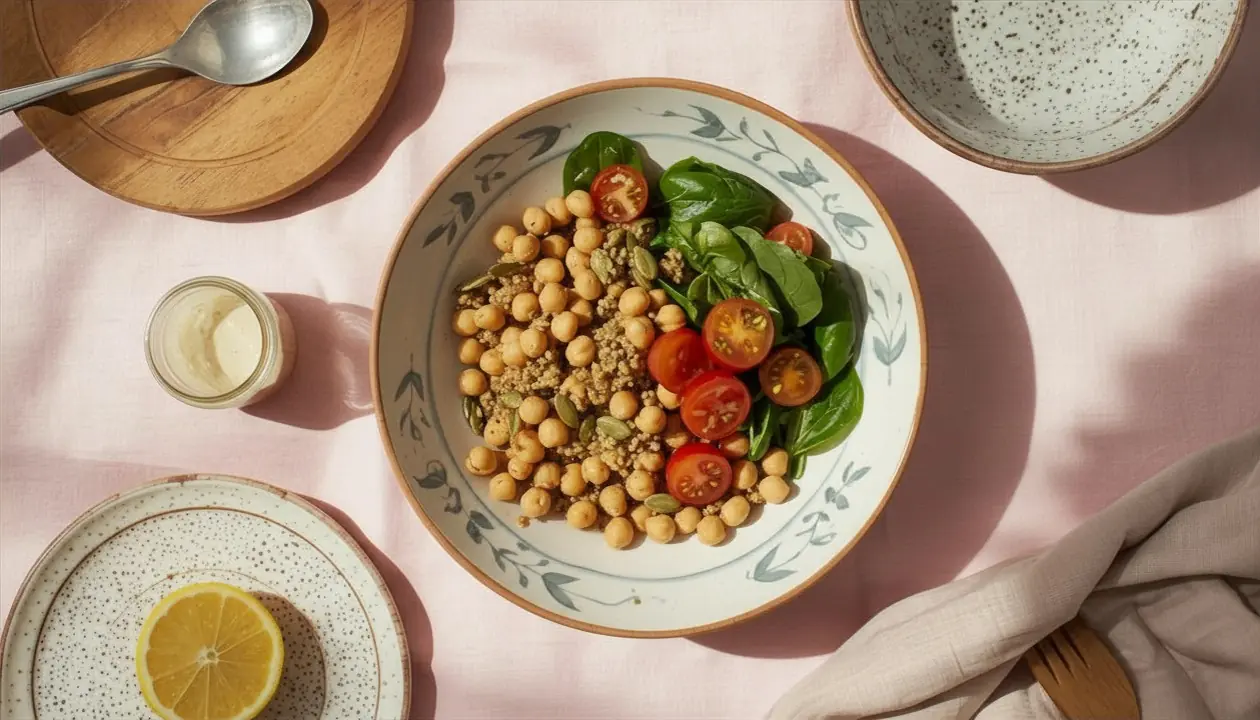
Below you’ll find 7 single-serving recipes plus adjustments for when your stomach starts feeling cramped (because of the pressure from the babies as they grow).
ℹ️This is a general guide
Amounts, cooking times, and nutritional notes here are approximate. They depend on the cut, the oven, your body, and your clinical situation. The recommendations on iron, calcium, protein, and omega-3 are based on consensus guidance for twin pregnancies (ACOG, 2022; Goodnight & Newman, Obstet Gynecol, 2009). This isn’t a substitute for your healthcare provider: if your OB-GYN, midwife, or nutritionist gave you different advice, always follow theirs over this guide.
The 4 nutrients to focus on in the second trimester with twins
Four nutrients worth paying extra attention to during this stage:
- Iron. Gestational anemia is common in twin pregnancies (Obstetrics & Gynecology Clinics, Bricker et al., 2015). Pair plant iron sources with vitamin C in the same meal (lemon, orange, pepper) to boost absorption. And keep iron away from coffee, tea, cocoa, and dairy (calcium competes with iron), because they get in the way of absorption.
- Calcium. The babies are building their bones fast, and if you don’t supply enough, they pull it from your reserves. Plant-based sources: tahini, almonds, broccoli, calcium-set tofu, fortified soy milk.
- Protein. Spread across 5-6 small meals rather than packed into one. Combining 2-3 sources per meal (legume + grain + seed, or fish + vegetable) covers your needs without overloading your stomach.
- Omega-3 (DHA). Key for the babies’ brain development. Plant-based sources: chia, ground flax, walnuts. Animal sources: salmon, sardines (no more than twice a week because of mercury in larger oily fish).
ℹ️You're not eating for two, you're eating smarter
This is the most persistent twin-pregnancy myth. The goal isn’t doubling your calories, it’s doubling the nutritional density of what you eat. A small plate with quinoa, chickpeas, seeds, and vegetables packs in far more nutrients than a big plate of white pasta with cheese (but if you’re craving the pasta, no judgment here).
⚠️Iron and calcium compete
Calcium blocks iron absorption when both are eaten at the same time. If you’re taking an iron supplement, take it away from dairy and calcium supplements (ideally 2 hours apart). This also applies to food: in the recipes below, the iron-focused ones deliberately skip tahini or dairy on the same plate.
7 single-serving recipes
Each recipe makes 1 serving and can be multiplied if you’re cooking for more. We label each one (iron) or (calcium) so you can fit them into your day without putting them in the same meal.
1. Quinoa bowl with chickpeas, tomato, and lemon (iron)
Ingredients:
- 70 g raw quinoa
- 100 g cooked chickpeas
- 50 g halved cherry tomatoes (skip if you have heartburn)
- 1/2 raw red pepper in strips
- Chopped fresh parsley
- 1 tablespoon lemon juice
- 1 teaspoon olive oil
Preparation: rinse the quinoa under running water until it stops foaming; saponins shouldn’t be consumed and they wash off easily (they can also leave a bitter taste). Cook until the grains open up. Mix warm with the rest of the ingredients. Dress with lemon and oil.
Why it works: the red pepper and lemon bring vitamin C, which makes a big difference in how much plant iron your body absorbs from the quinoa and chickpeas. No tahini or dairy on this plate, on purpose, so absorption isn’t blocked.
2. Tofu sautéed with broccoli and cashews (calcium)
Ingredients:
- 120 g firm tofu in cubes
- 150 g broccoli florets
- 30 g raw cashews
- 1 chopped garlic clove (optional)
- 1 tablespoon low-sodium soy sauce
- 1 teaspoon sesame oil
Preparation: brown the tofu for 4 minutes per side in a pan with oil. Add the broccoli and sauté for 5 minutes until tender but still crisp. Toss in the cashews for the last minute. Dress with soy sauce.
Why it works: calcium-set tofu, broccoli, and cashews — a strong trio of calcium and magnesium. This is a calcium-focused plate, best kept separate from your iron supplement.
3. Baked salmon with sweet potato and asparagus (omega-3)
Ingredients:
- 130 g wild salmon without bones (vegetarian alternative: 130 g pressed firm tofu)
- 150 g peeled sweet potato in slices
- 100 g green asparagus
- 1 teaspoon olive oil
- Lemon to serve
- Pinch of dill
Preparation: bake everything together at 180 °C for about 15-20 minutes, until the salmon flakes easily with a fork (cooked through, no translucent parts in the center) and the sweet potato is tender when pierced. Cooking times are approximate and depend on the thickness of the fillet and your oven. Serve with a good squeeze of lemon.
Why it works: salmon brings omega-3 (DHA) and the asparagus adds folate. Stick to oily fish no more than twice a week because of mercury.
4. Lentil and oat burgers (iron)
Ingredients (yields 4 burgers):
- 250 g cooked lentils
- 80 g rolled oats
- 1 grated carrot
- 1 tablespoon ground flax seeds + 3 tablespoons water
- Chopped parsley, cumin, paprika
- 1 teaspoon olive oil for the pan
Preparation: let the flax sit in the water for 5 minutes until it gels. Blend the lentils with the rest of the ingredients until you get a moldable mixture. Shape into burgers. Cook them 4 minutes per side on a lightly oiled grill pan. Serve with a tomato and pepper salad (the vitamin C boosts iron absorption).
Why it works: lentils + oats bring plant iron and plenty of fiber (handy if constipation has already kicked in). The raw pepper salad on the side helps absorption.
5. Chia pudding with soy milk and red berries (calcium)
Ingredients:
- 3 tablespoons chia seeds
- 250 ml unsweetened soy milk fortified with calcium
- 100 g red berries (raspberries, blueberries)
- 10 g sliced almonds
- 1 teaspoon maple syrup or honey (optional)
Preparation: stir the chia into the soy milk the night before. Refrigerate for 6 hours or overnight. In the morning, top with the berries and almonds.
Why it works: a calcium-dense breakfast or snack (fortified milk + chia + almonds). The berries add vitamin C and antioxidants.
6. Chickpea flour tortilla with vegetables (iron)
Ingredients:
- 80 g chickpea flour
- 150 ml water
- 1/2 grated zucchini
- 1/2 red pepper in small cubes
- Chopped onion (optional)
- Cumin, pinch of salt
- 1 tablespoon olive oil
Preparation: whisk the chickpea flour into the water until smooth, with no lumps. Sauté the vegetables for 4 minutes. Pour the chickpea mixture over them and cook for 5 minutes per side over medium heat.
Why it works: chickpea flour makes a great egg-free “tortilla”, high in plant iron and protein. Pairing it with raw red pepper on the side (any raw vegetable with vitamin C works) helps with iron absorption. No dairy here, to keep absorption clear.
7. Double-energy cream (liquid snack when the stomach is tight) (calcium)
Ingredients:
- 250 ml fortified soy milk with calcium
- 1 ripe banana
- 1 tablespoon almond butter
- 1 tablespoon hemp seeds
- 3 pitted dates
- 1 teaspoon pure cocoa powder (optional)
Preparation: blend everything for 1 minute until smooth and creamy.
Why it works: a calcium- and energy-dense snack for when there’s no room left for a full meal. The banana and dates add potassium and quick energy.
Memobebe helps you remember everything
Try for freeHow to mix and match the recipes through the day
These recipes can be combined freely. Just two simple guidelines to get the most out of them:
- Don’t put iron and calcium in the same meal. If lunch is the iron one (lentil burgers, quinoa bowl), save the calcium recipes (tofu, chia pudding) for breakfast or a snack. And keep your iron supplement away from dairy.
- Add vitamin C to your iron meals. Raw red pepper, lemon, orange, kiwi, strawberries. Small amounts make a big difference in absorption.
How you spread the meals across the day comes down to your schedule, your hunger, and how you’re feeling. If you have specific guidance from your OB-GYN or nutritionist, always follow that over what you read online. If keeping track helps, memobebe lets you log meals and supplements quickly so you can look back at it in your next appointment.
Adjustments for the later weeks (22-27)
From week 22 onward, your stomach starts to feel cramped. A few useful adjustments:
| Symptom | Adjustment |
|---|---|
| You fill up fast | Smaller, more frequent meals. Prioritize nutritional density (nuts, avocado, oil, seeds) over volume. |
| Growing heartburn | Eat dinner earlier. Cut back on fats at dinner. See light dinner recipes for pregnancy with nighttime heartburn. |
| Extreme tiredness | Possible early-stage anemia. Bring it up at your next visit and lean on the iron recipes (1, 4, 6). Add vitamin C to every iron meal. |
| Leg cramps | Recipes with cashews, chia, and a square of 70% dark chocolate a day add magnesium, which usually helps. |
Other tips that don’t get talked about enough
A few things that come up in twin pregnancies and rarely appear in general guides:
- More hydration than usual. Blood volume goes up more with twins, and dehydration is linked to a higher risk of preterm contractions.
- Vitamin B12 if you don’t eat meat or fish. Pregnancy needs (especially with twins) usually call for supplementation. Confirm with your OB-GYN.
- Iodine. A deficiency can affect the babies’ neurological development. Iodized salt for everyday use, plus small amounts of dairy or seaweed, usually cover it.
- Relative rest as your OB-GYN advises. Good nutrition alone can’t make up for not enough rest in a twin pregnancy.
⚠️Ask for ferritin, not just hemoglobin
With twins, ask your OB-GYN to include ferritin in your second-trimester labs (not just hemoglobin). Ferritin drops before hemoglobin does and gives you an early heads-up about low iron, in time to fix it with diet or a supplement. It’s something many women carrying twins find out about too late.
Frequently asked questions
How many extra calories do I actually need in the second trimester with twins?
The general recommendations (Goodnight & Newman, Obstet Gynecol, 2009; ACOG, 2022) are somewhat higher than in a single pregnancy, not double, and they depend on your pre-pregnancy weight and activity level. Your OB-GYN or nutritionist will give you the specific number. The key difference is in nutritional density, not volume.
Is it safe to take an iron supplement, or is it better to get it only from food?
With twins, most OB-GYNs recommend preventive supplementation from the second trimester onward, not as treatment but as prevention. Levels drop fast even if you eat well. Your provider will tell you the dose and form (sucrosomial or bisglycinate are usually better tolerated). In the meantime, recipes that pair plant iron with vitamin C help.
Can I follow a vegetarian or vegan diet in a twin pregnancy?
Yes, with planning. The plant-based recipes in this guide cover protein well as long as you combine 2-3 sources per meal (legume + grain + seed). For B12, you’ll need a supplement. Confirm the right plan for you with your OB-GYN or a nutritionist.
What do I do if I still have nausea in the second trimester?
Nausea usually improves once you reach the second trimester, but with twins it can stick around longer. Recipes 5 and 7 (liquid or semi-liquid) are the easiest to keep down.
Can I eat oily fish during a twin pregnancy?
Yes, twice a week is safe and recommended for the omega-3. Avoid swordfish, large bluefin tuna, shark, and king mackerel (high in mercury). Salmon, sardines, trout, anchovies, and whitebait are safe and high in DHA.
The second trimester of a twin pregnancy is physically demanding, but you can still feel good if your nutrition is well planned. The key: nutritional density, frequent small meals, and keeping an eye on iron and calcium. If you want a tool that helps you keep track of what you ate, how you felt, and when your next appointment is, memobebe is built for exactly that.
Find more on nutrition in our nutrition section.
Related articles
No-cook summer meals for pregnancy
7 no-cook summer meals for pregnancy: fresh, listeria-safe, and built for the hottest days when the oven stays off.
Anti-gas dinners in the third trimester of pregnancy
6 gentle dinners to ease gas and bloating in late pregnancy: what to avoid, how to combine, and why onion and unpeeled legumes don't help.
What to eat to heal episiotomy stitches after birth
What helps episiotomy or perineal tear healing after birth: protein, zinc, vitamin C, and 6 gentle anti-constipation recipes.