

How to improve your memory during pregnancy: 10 techniques
It’s 10 a.m. and you’ve already lost the glass of water you poured five minutes ago. Sound familiar? If you’ve read our article on what pregnancy brain is and why it happens, you know these memory lapses have a scientific explanation and that they’re temporary. Now let’s get to what you really want to know: what you can actually do to improve your memory during pregnancy.

This isn’t about accepting the fog. Your brain has a remarkable ability to adapt (it’s called neuroplasticity), and with the right techniques you can strengthen your memory even while your body is busy growing a human.
Yes, you can improve your memory during pregnancy. Brain neuroplasticity allows you to strengthen memory with specific stimuli like aerobic exercise, omega-3-rich nutrition, mindfulness meditation, and cognitive training, even during the hormonal and structural brain changes of pregnancy.
Why your memory changes during pregnancy
A quick recap: during pregnancy, progesterone and estrogen levels multiply and your brain undergoes a structural remodeling that prepares it for motherhood. According to a study published in Nature Neuroscience (Hoekzema et al., 2017), this neural reorganization selectively reduces gray matter in areas related to social cognition to strengthen your responsiveness to your baby.
The side effect is that short-term memory and focus can take a hit, especially in the third trimester. But these changes are reversible and, more importantly, you can take concrete steps to keep your mind sharper.
For a deeper dive into causes, symptoms, and when to see your doctor, check out our full article on pregnancy brain.
10 techniques to improve your memory during pregnancy
1. Feed your brain with omega-3s and choline
Your brain needs specific fuel to perform well. Two nutrients are especially important during pregnancy:
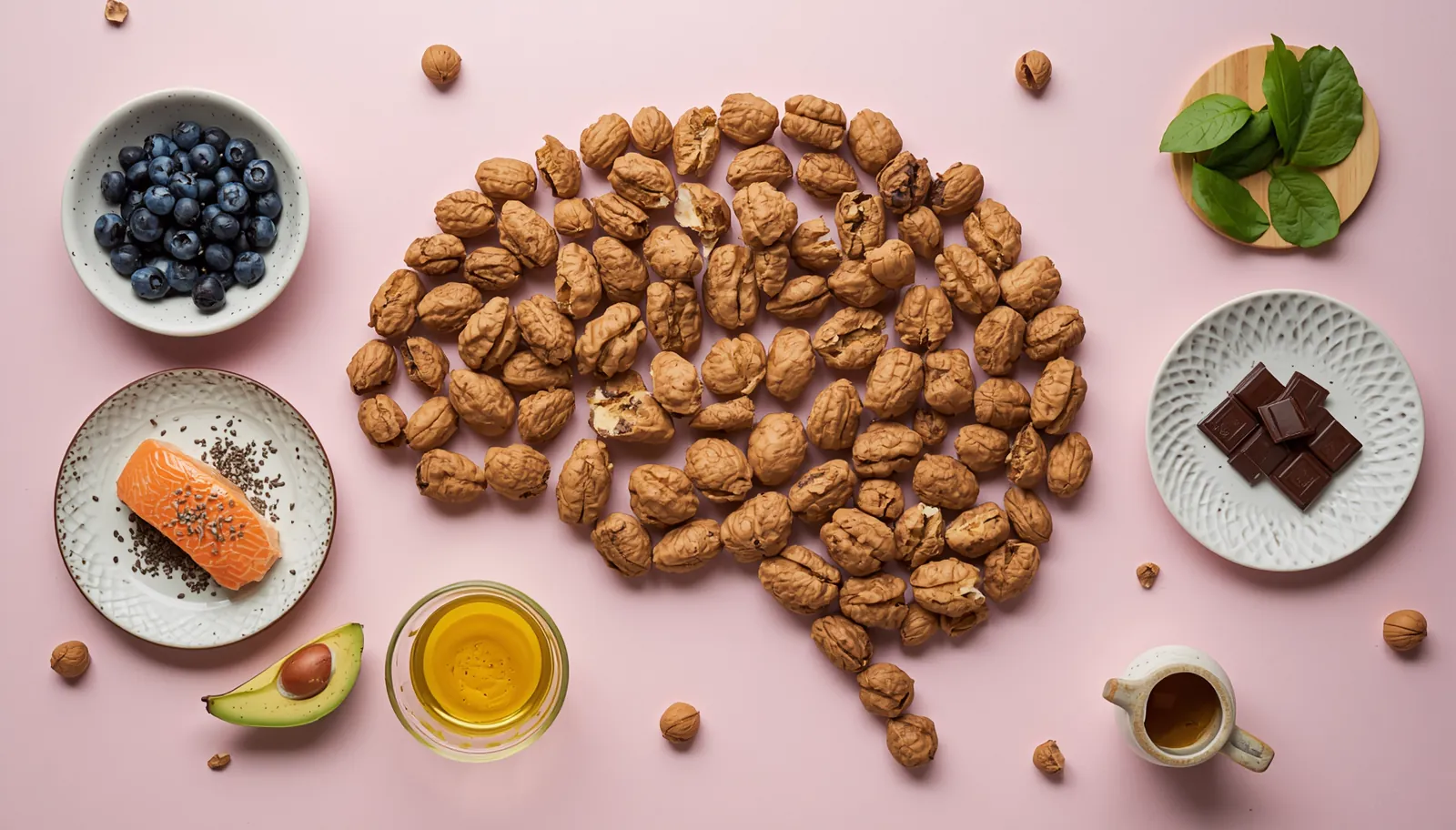
- Omega-3 (DHA): docosahexaenoic acid makes up about 40% of the fatty acids in the brain. A study published in Reviews in Obstetrics and Gynecology (Greenberg et al., 2008) found that adequate DHA intake during pregnancy is associated with better maternal cognitive function. Sources: walnuts, chia seeds, salmon, sardines.
- Choline: plays a role in producing acetylcholine, a neurotransmitter essential for memory. The National Institutes of Health recommends 450 mg daily during pregnancy. Sources: broccoli, soybeans, eggs (especially the yolk), liver.
Add iron-rich foods (spinach, lentils) and antioxidants (blueberries, berries, avocado) to your plate too. For a trimester-by-trimester guide on what to eat, check out our pregnancy nutrition guide. You don’t need a perfect diet: small, consistent changes add up.
💡Always check with your doctor
Before adding any supplements to your routine, talk to your OB-GYN. A varied diet usually covers most nutrients, but your doctor can assess whether you need additional support.
2. Stay hydrated (really)
It sounds basic, but mild dehydration is more common during pregnancy than you might think, and it directly affects your brain. A study published in The Journal of Nutrition (Armstrong et al., 2012) showed that even 1-2% dehydration reduces concentration, increases fatigue, and impairs working memory.
During pregnancy, you need about 2.3 liters of fluids per day (roughly 10 cups), according to the American College of Obstetricians and Gynecologists (ACOG). Tips that work:
- Keep a water bottle with you and place it where you can see it.
- Drink a glass of water every time you use the bathroom (which is going to be often).
- If plain water gets boring, add slices of lemon, cucumber, or mint.
3. Get moderate aerobic exercise
Moving your body is one of the most effective ways to boost memory. Aerobic exercise increases blood flow to the brain and stimulates brain-derived neurotrophic factor (BDNF), a protein that supports the creation of new neural connections.
A meta-analysis published in the British Journal of Sports Medicine (Northey et al., 2020) found that regular exercise improves memory and executive function in adults. Safe options during pregnancy:
- 20-30 minute walks: the most accessible and effective option. Walking outdoors adds the benefit of natural light.
- Prenatal yoga: combines movement with mindfulness. Double benefit for memory.
- Swimming: low impact and relieves the pressure of extra weight.
Check with your doctor about what intensity is right for you.

4. Practice mindfulness or meditation
Meditation isn’t just for relaxation: it has measurable effects on memory. A study from the University of California, Santa Barbara, published in Psychological Science (Mrazek et al., 2013), found that just two weeks of mindfulness practice improved working memory and concentration in participants.

You don’t need long sessions. Start with this:
- 5-10 minutes per day of breath-focused attention. Sit comfortably, close your eyes, and focus on how air enters and leaves your body.
- Body scan before bed: mentally move through each part of your body from toes to head, noticing sensations without judgment.
- If you prefer guidance, apps like Calm or Insight Timer have meditations designed for pregnancy.
5. Work toward restful sleep (we know it’s hard)
Let’s be honest: sleeping well during pregnancy is a real challenge. Between bathroom trips every two hours, heartburn that shows up the moment you lie down, 3 a.m. kicks from the inside, and the impossibility of finding a comfortable position with a growing belly, “get 8 hours of sleep” sounds almost like a joke. We know, and we’re not going to ask you to do the impossible.
Sleep is when your brain consolidates the day’s memories and clears out metabolic waste. Without adequate rest, short-term memory suffers. While sleeping well during pregnancy is hard, every hour of rest you manage to get counts. Here are strategies that work within reality:
- Create a short wind-down ritual: even a brief one. Turn off screens 30 minutes before bed, have something warm to drink (caffeine-free), read a few pages. The repetition signals your brain that it’s time to rest.
- Take naps when you can: 20 minutes of napping restores your ability to concentrate. If you have the chance, don’t feel guilty about an afternoon rest.
- Sleeping on your left side with a pillow between your legs tends to be the most comfortable position in the third trimester. A pregnancy pillow can genuinely change your nights.
- If you can’t fall asleep, don’t stay in bed fighting insomnia. Get up, do something quiet, and go back when you feel sleepy.
ℹ️Don't expect perfect sleep
Not every night is going to be a good one, and that’s okay. What matters is finding the best quality rest you can within the reality of pregnancy. If insomnia becomes constant or is seriously affecting your daily life, talk to your doctor about it.
6. Train your mind with cognitive games
Your brain works like a muscle: it gets stronger with use. The neuroplasticity your brain experiences during pregnancy means it’s especially receptive to new stimuli. Take advantage of that:
- Crosswords and word searches: work verbal memory and vocabulary retrieval.
- Sudoku: exercises working memory and logical reasoning.
- Memory matching games: directly train short-term memory.
- Puzzles: keep sustained attention and visuospatial skills active.
- Reading: reading fiction improves memory and empathy, according to a study in Science (Kidd & Castano, 2013).
You don’t need to spend hours on this. 10-15 minutes a day of any mentally challenging activity makes a real difference.
7. Use spaced repetition
This technique is a favorite among medical students, and it works for anyone who needs to retain information. It involves reviewing information at increasing intervals: first after a few minutes, then a few hours later, then the next day.
How to apply it during pregnancy:
- When you schedule a doctor’s appointment, repeat the date and time out loud. Review it again before bed and the next morning. And if you want to take the weight off your mind, log it in Memobebe so the app remembers for you.
- When you meet someone, use their name in conversation: “Nice to meet you, Laura. So Laura, how far along are you?”
- Write important things down and review your notes once a day. Same with vitamins and checkups: if you keep them logged in one place, your brain can let go of that load and focus on what matters.
8. Write by hand
In the age of smartphones, handwriting might seem outdated. But your brain benefits from it. A study from the University of Tokyo (2021) published in Frontiers in Behavioral Neuroscience found that writing by hand activates more brain regions than typing, especially those linked to memory and learning.
Practical ideas:
- Keep a small notebook for jotting down ideas, names, or to-dos.
- Write a brief pregnancy journal: how you felt today, what you ate, something nice that happened. Besides exercising your memory, it’ll become a beautiful keepsake.
- Make grocery lists by hand before transferring them to your phone.
9. Keep social connections active
Talking with other people is one of the best cognitive exercises there is. During a conversation, your brain processes language, retrieves memories, interprets emotions, and formulates responses, all in real time.
A longitudinal study published in The American Journal of Public Health (Ertel et al., 2008) found that social isolation is associated with greater cognitive decline, while regular social interactions have a protective effect on memory.
- Join a mom group (in person or online). Sharing experiences with women at the same stage is good for your brain and your emotional well-being.
- Call a friend instead of sending a voice note. Real-time conversation is more cognitively stimulating.
- If you work from home, find moments for social interaction during the day.
10. Lower stress with controlled breathing
Cortisol (the stress hormone) is memory’s enemy. Sustained high cortisol levels interfere with the formation and retrieval of memories, according to research published in Neurobiology of Learning and Memory (Schwabe et al., 2012).
Controlled breathing activates the parasympathetic nervous system and lowers cortisol. A simple technique:
- 4-7-8 breathing: inhale through your nose for a count of 4. Hold for a count of 7. Exhale through your mouth for a count of 8. Repeat 3-4 cycles.
- Do it before bed, during anxious moments, or as the start of your mindfulness practice.
- It takes about a minute, and the effects on stress (and memory) build with practice.
Memobebe helps you remember everything
Try for freeFoods that boost memory during pregnancy
| Food | Key nutrient | Brain benefit |
|---|---|---|
| Walnuts | Vitamin E and omega-3 | Improve communication between neurons |
| Chia seeds | Omega-3 and fiber | Support cognitive function |
| Blueberries | Anthocyanins | Protect neurons from oxidative stress |
| Spinach and kale | Iron and folate | Transport oxygen to the brain |
| Avocado | Monounsaturated fats | Support cerebral blood flow |
| Dark chocolate (70%+) | Flavonoids | Stimulate brain circulation |
| Eggs | Choline | Produces acetylcholine (memory neurotransmitter) |
| Salmon and sardines | Omega-3 (DHA) | Structural component of neurons |
💡Practical tip
You don’t need to eat all of these every day. Pick 2-3 you enjoy and rotate them throughout the week. Consistency matters more than perfection.
A daily routine for a sharper memory
How do you fit all of this in without adding another overwhelming to-do list? Here’s a simple daily routine as a starting point:
Morning
- Glass of water when you wake up.
- Breakfast with oatmeal with walnuts and blueberries, or eggs.
- 5 minutes of conscious breathing or meditation.
Midday
- 20-30 minute walk (it can be running errands).
- Lunch with a source of omega-3 or iron.
- Write down 3 afternoon priorities by hand.
Afternoon
- 10-15 minutes of a cognitive game (crossword, sudoku, reading).
- Snack with nuts or dark chocolate.
- Call or chat with a friend or family member.
Evening
- Wind-down ritual: screens off, something warm to drink, pregnancy journal.
- 4-7-8 breathing before sleep.
You don’t have to follow this to the letter. Take the ideas that fit your life best and start small.
Frequently asked questions
Can you really improve memory during pregnancy?
Yes. While the hormonal and brain changes of pregnancy are unavoidable, neuroplasticity allows the brain to strengthen with the right stimuli. Exercise, nutrition, sleep, and cognitive training have all been shown to improve memory function in scientific studies, and they apply during pregnancy too.
How long before you notice a difference?
Most of these techniques show results within 2-4 weeks of consistent practice. Aerobic exercise and meditation have the fastest evidence: some studies report improved concentration from the first week onward.
Are omega-3 supplements safe during pregnancy?
Generally, DHA supplements derived from purified fish oil are considered safe during pregnancy. In fact, many prenatal vitamins already include them. Check with your OB-GYN about the right dosage for your situation.
Do brain training apps work?
They can be an enjoyable supplement, but the evidence on specific “brain training” apps is mixed. What does have strong backing is cognitive activity in general: reading, solving problems, learning something new, socializing. Any activity that challenges your brain is beneficial.
Your memory might be a little unruly during pregnancy, but that doesn’t mean there’s nothing you can do about it. Small daily habits can keep your mind sharper and take care of your overall well-being at the same time. And for everything you shouldn’t have to remember on your own (appointments, vitamins, checkups), Memobebe has you covered.
Visit our pregnancy section for more practical guides for this stage.
Related articles
Night sweats in the third trimester: how to sleep better
Why you sweat more at night in late pregnancy and what to do: clothes, bedroom, hydration, and when to check in with your provider.
Pregnancy Myths in Latin America: What Science Says
Eclipses, full moons, cravings, belly shape: we look at the most popular Latin American pregnancy myths with up-to-date scientific evidence.
Nesting instinct: why you're preparing everything and how to use it
What the nesting instinct is, why it happens during pregnancy, and how to channel that energy to prepare before baby arrives.